About Fatou Sallah
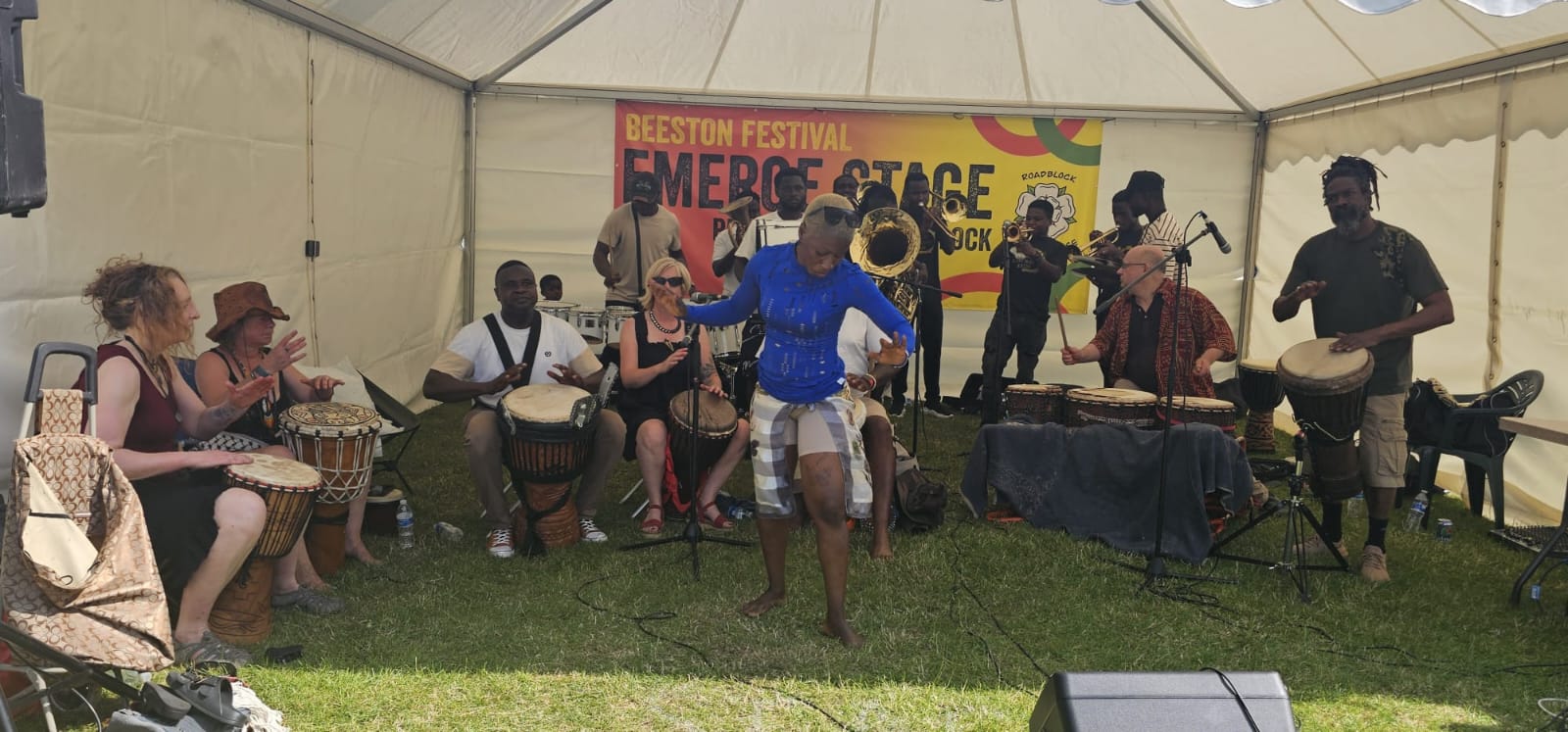
Born into the Rhythm
Fatou Sallah was born into a household filled with music, rhythm, and oral history. Coming from a lineage of West African dancers, she learned her first steps as soon as she could walk, under the tutelage of her grandmother and mother in West Africa.
Throughout her adolescence, she performed in village gatherings, naming ceremonies, and weddings, developing a sharp understanding of the connection between the *djembe* and *dundun* drums and the dancer's movements. She has trained with renowned master dancers from Senegal, Gambia, and Guinea.
After moving to Europe, she realized how many people were yearning to connect with the raw and dynamic spirit of African dance. She dedicated herself to teaching, bridging cultural boundaries, and introducing the rich stories, historical contexts, and high-energy choreographies of traditional West African dances to local schools and global festivals.
"Fatou does not simply perform for an audience; she invites them to become a part of the dance, transmitting a wave of collective joy."
Today, Fatou coordinates dance workshops for all ages, conducts live concerts, collaborates with global musicians, and prepares school programs to teach cultural diversity through traditional percussion and movement.
Traditional West African Dance Styles
Sabar Dance
Sabar is a traditional dance from Senegal and Gambia, performed to the syncopated rhythms of the Sabar drum family. It is characterized by high, rapid leg lifts, jumps, hip moves, and a powerful combination of sensuality, energy, and playfulness. It is historically used for storytelling, celebrations, and friendly competitions.
Djembe / Dundun Dance
Originating from the ancient Mali Empire (Guinea, Mali, Ivory Coast), Djembe dances are danced to polyrhythms played by the hand-drum (Djembe) and stick-drums (Dunduns). Rhythms like Kuku, Lamban, or Soli are energetic, earth-centric, and involve explosive jumps and footwork, often celebrating agriculture, rites of passage, and harvest.